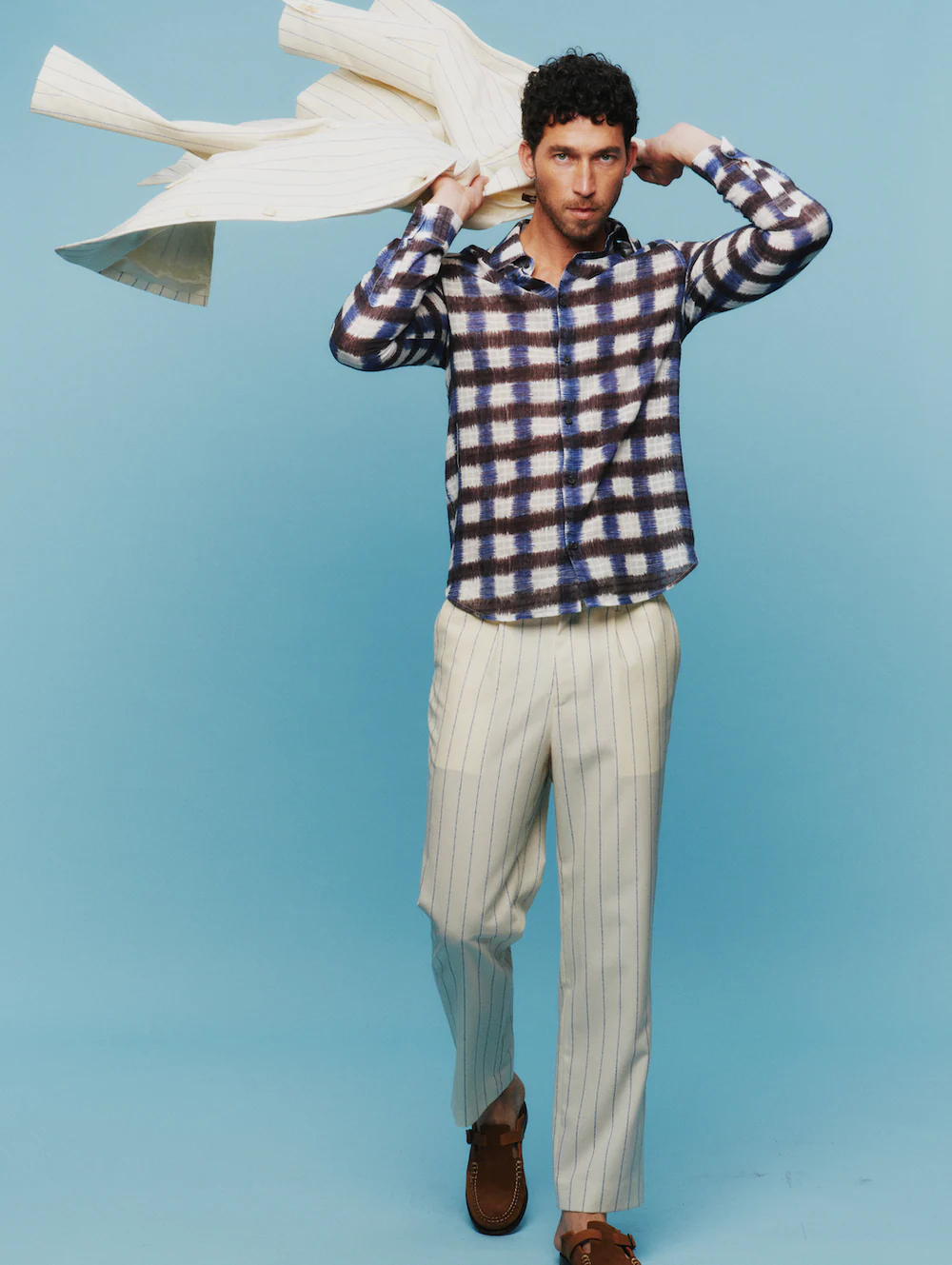
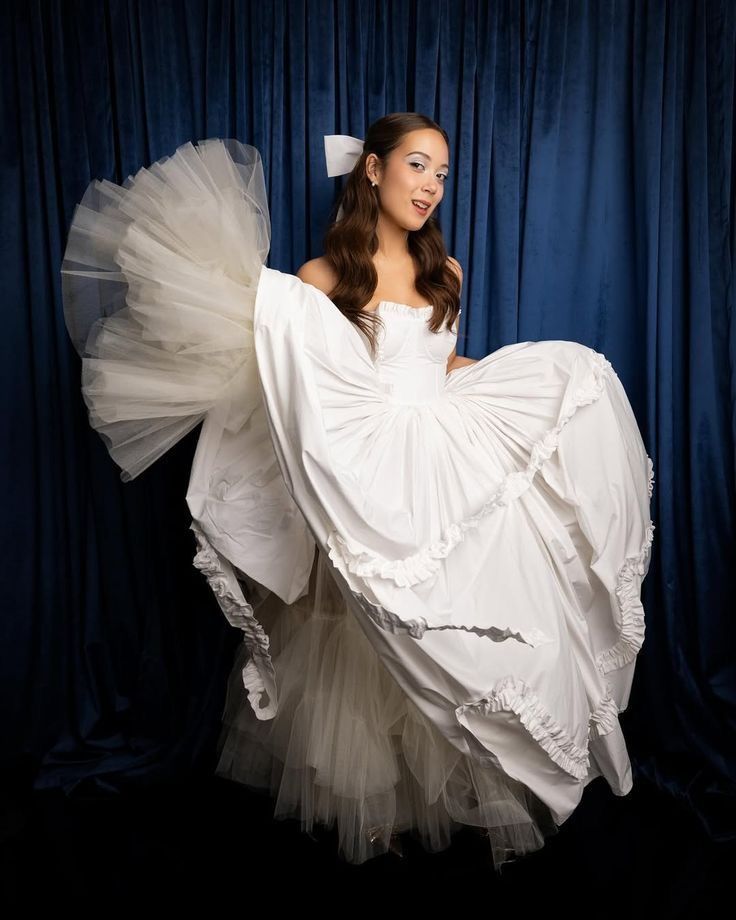
In the spotlight of Bottega Veneta’s spring 2023 luxury campaign by Matthieu Blazy, a brown leather crossbody purse that mimics a paper grocery bag catches the eye. A shoulder bag, artfully disguised as a slice of cake, swings from a model’s arm. A tube of brownie-flavored lip balm by beauty brands such as Glossier, LANEIGE or Summer Fridays promises flavor and indulgence. One thing is clear: food is everywhere in fashion right now, but is diet culture seeping its way into this space as well?
Throughout the years, food and fashion have been intertwined — fruit prints on pajama sets by Djerf Avenue, or runway collections inspired by pastry colors and confections. But lately, however, luxury brands have been transforming everyday food items into symbols of elegance or even status. Food prices continue to climb, and diet culture has morphed into the popular idea of “wellness,” with weight loss drugs dominating conversations on and off the runway. The result is a paradox: Food is marketed as a luxury, but audiences are encouraged to consume less of it.
The appeal of food as a marketing strategy is obvious. Food is a universal aspect of life. Eating is a broadly recognizable and sometimes emotionally loaded human experience. It can evoke nostalgia, comfort and desire, all qualities companies strive to foster within their personal branding. By incorporating elements of food into high fashion, brands can communicate with audiences in a relatable manner while maintaining the exclusivity that makes high-end clothing attractive in the first place.
Luxury has historically correlated with scarcity. Rare often means valuable in the mind of a consumer. In today’s economy, food is no exception. Organic produce, specialty items, farmers’ markets and the wellness shot aisle of Whole Foods are considered high value, given the astronomical price tags that exclude much of the population. Fashion brands are romanticizing grocery items because food is increasingly viewed as a signal of abundance.
This overlap of food and fashion from a financial perspective is accompanied by the rising emergence of GLP-1 drugs. Such drugs, like Ozempic and Zepbound, promise rapid weight loss through appetite suppression, promoting unhealthy restriction for those unable to access or afford the drug. The cultural effect of these drugs have expanded beyond medicine, as seen in advertising campaigns like the Serena Williams commercial. By attaching a globally recognizable athlete to the brand Ro, the campaign presents weight management as something aspirational. This messaging enforces a sense of exclusivity around bodies, making these drugs seem like status symbols.
Food and fashion are both forms of self-expression, shaped by family, culture, traditions and identity. Both tell a story about where we came from and how we interact with others. When food is reduced to a prop or an aesthetic, it can lose its meaning. The rise of diet culture, disguised as wellness, only widens the disconnect.
If food and fashion continue to intersect, it should come from a place of expression rather than restriction or exclusivity. Marketing tactics can overwhelm audiences, turning food into a symbol of status or control and making it easy to forget its emotional and cultural value. Fashion has the power to celebrate food as communal and personal at the same time. When both are treated as forms of identity, the connection between the two feels much more genuine, as it was meant to be to begin with.
- How Glossier built a brand around community - March 26, 2026
- The overlap of aesthetics and appetite - February 20, 2026