Style icons from the 1990s, such as Carolyn Bessette-Kennedy and Princess Diana, continue to inspire the way people dress decades later, but why? The fashion industry is constantly evolving, and trends move too fast for consumers to keep up. In an industry obsessed with what is next, why are so many people, including myself, most inspired by women who predate them?
We have idealized the personal style of women who existed just before media consumption exploded, and the world was introduced to influencers and affiliate links. Maybe that is because it was one of the last times someone’s style could feel truly personal. In this day and age, if we like what a celebrity, influencer or friend is wearing, we can reverse image search the item and buy it within minutes. We don’t even have to engage with another person and ask where their outfit is from anymore. While it is no mystery that trends run in cycles, and the fashion industry is constantly taking inspiration from previous decades, recently there has been an obsession with cultivating personal style and rejecting trends. This begs us to ask the question: What does personal style even look like when every outfit can be so easily replicated?
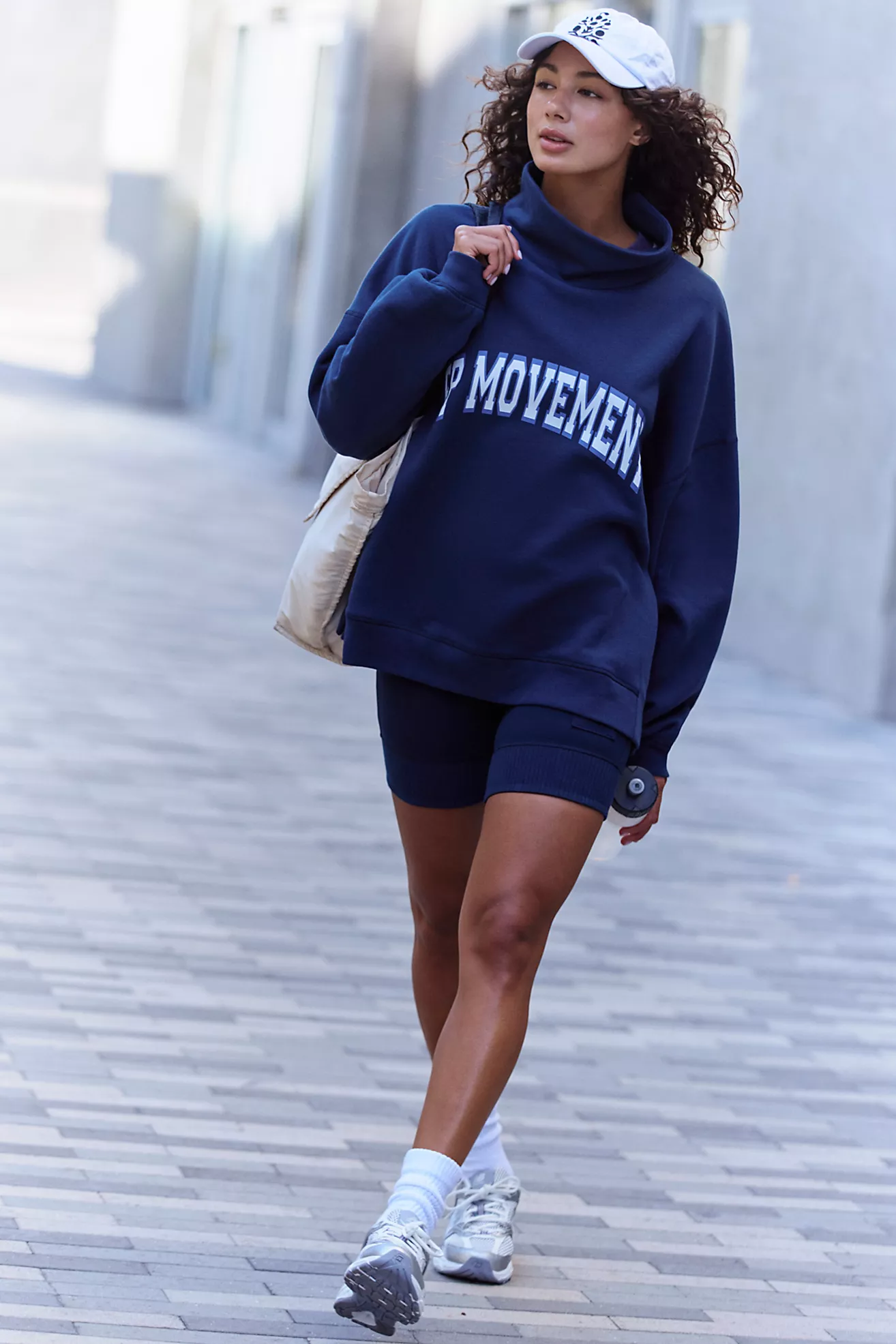
Princess Diana serves as a prime example of a look being replicated decades later. Her biker shorts, oversized sweatshirts and sneakers have become a recognizable combination, with similar sets frequently selling out at FP Movement today. What makes these looks so memorable in the first place?
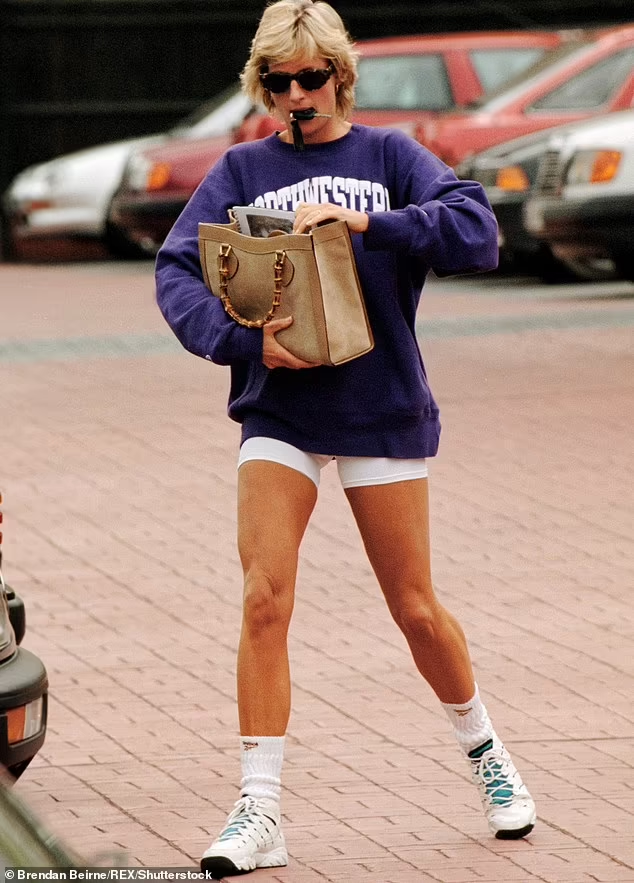
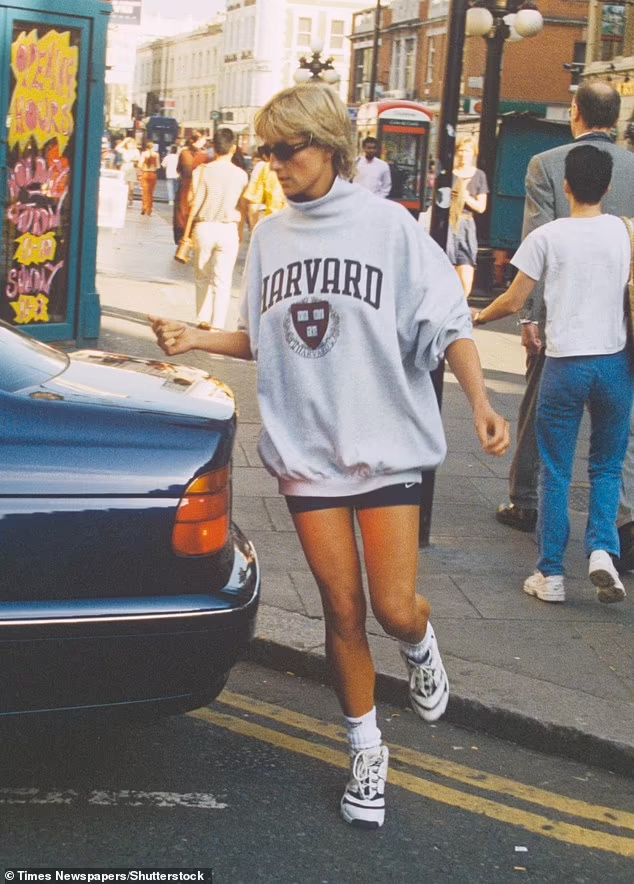
When I mention Carolyn Bessette-Kennedy, I’m sure you picture an elegantly dressed woman who never seems like she is trying too hard. You may even make assumptions about how a woman dressed like that might act, or the energy she might exude, based solely on the way she dresses. Carolyn has often been associated with the term “effortless cool girl” by people who know nothing about how she acts or who she is. The personality the media assigned her was a direct result of how she dressed, not who she was. The same can be said for Princess Diana.
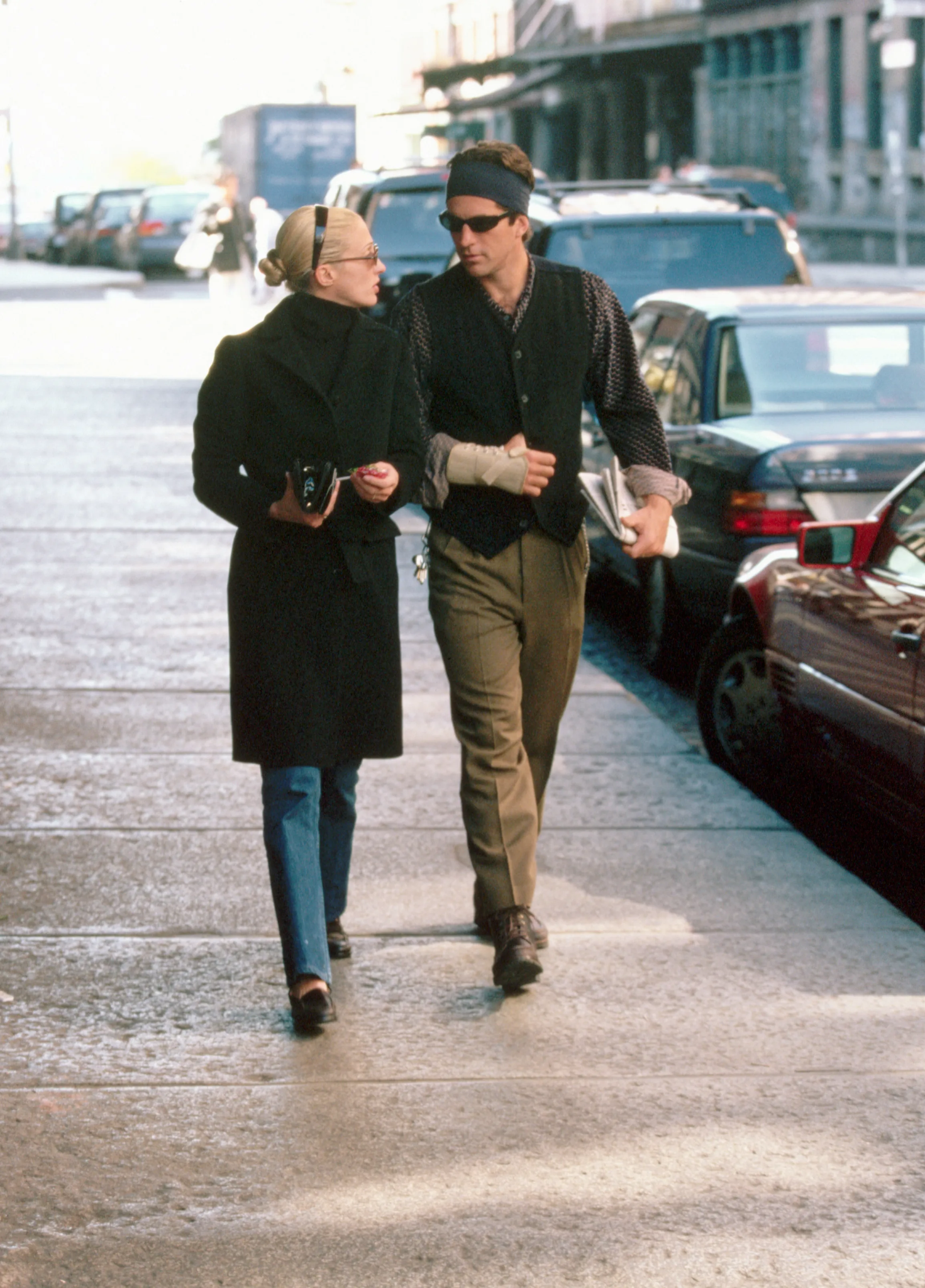
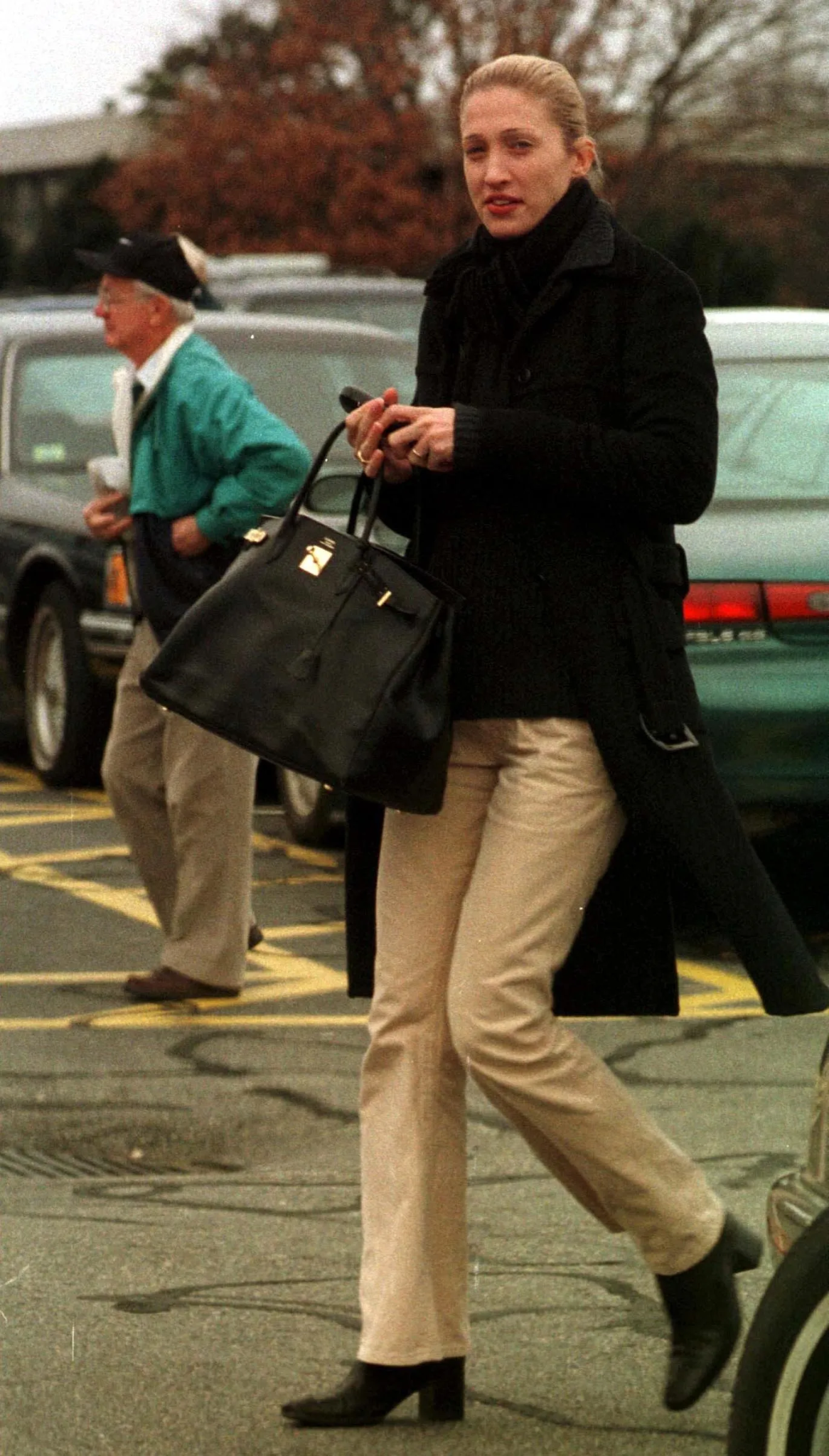
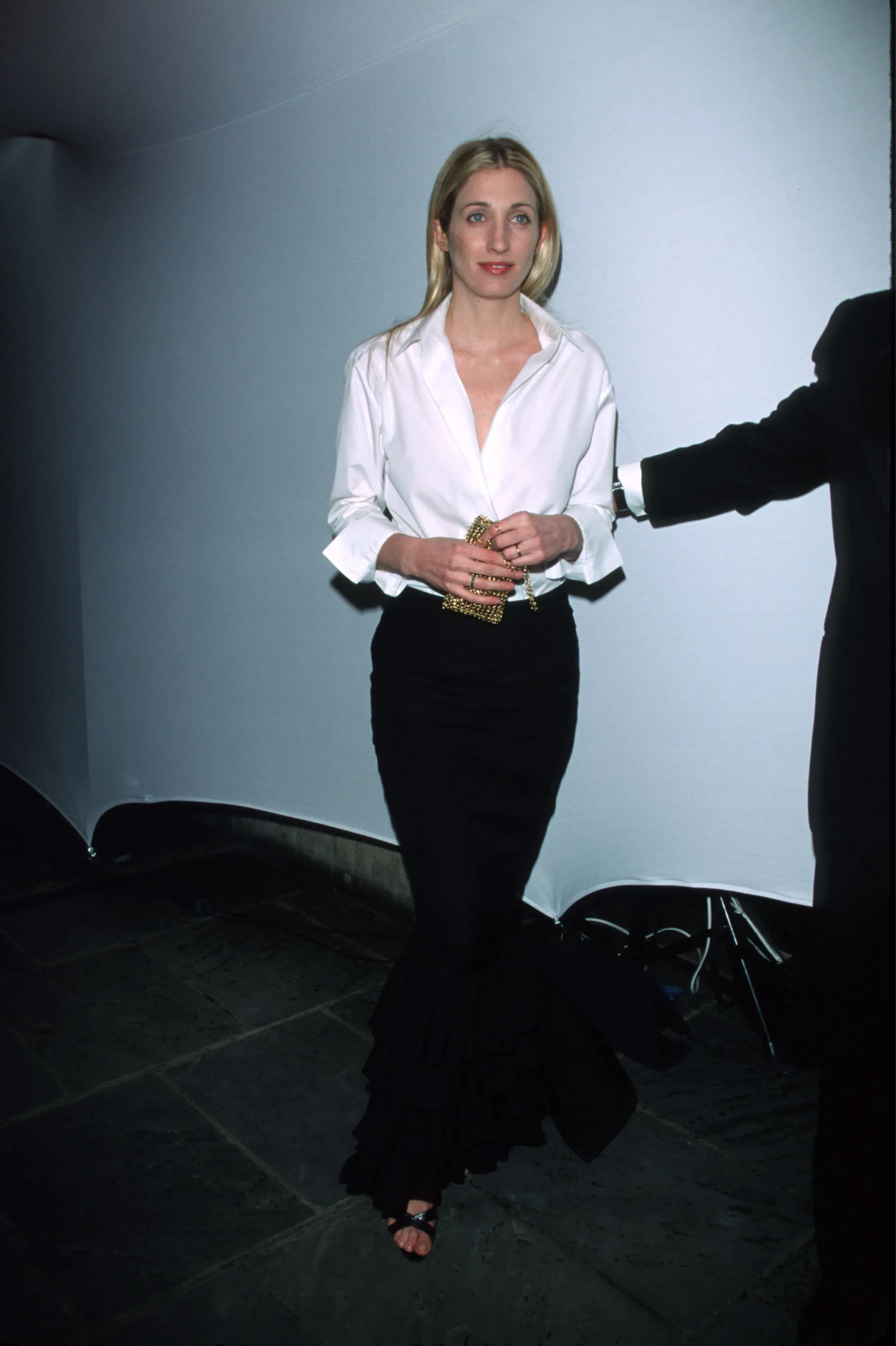
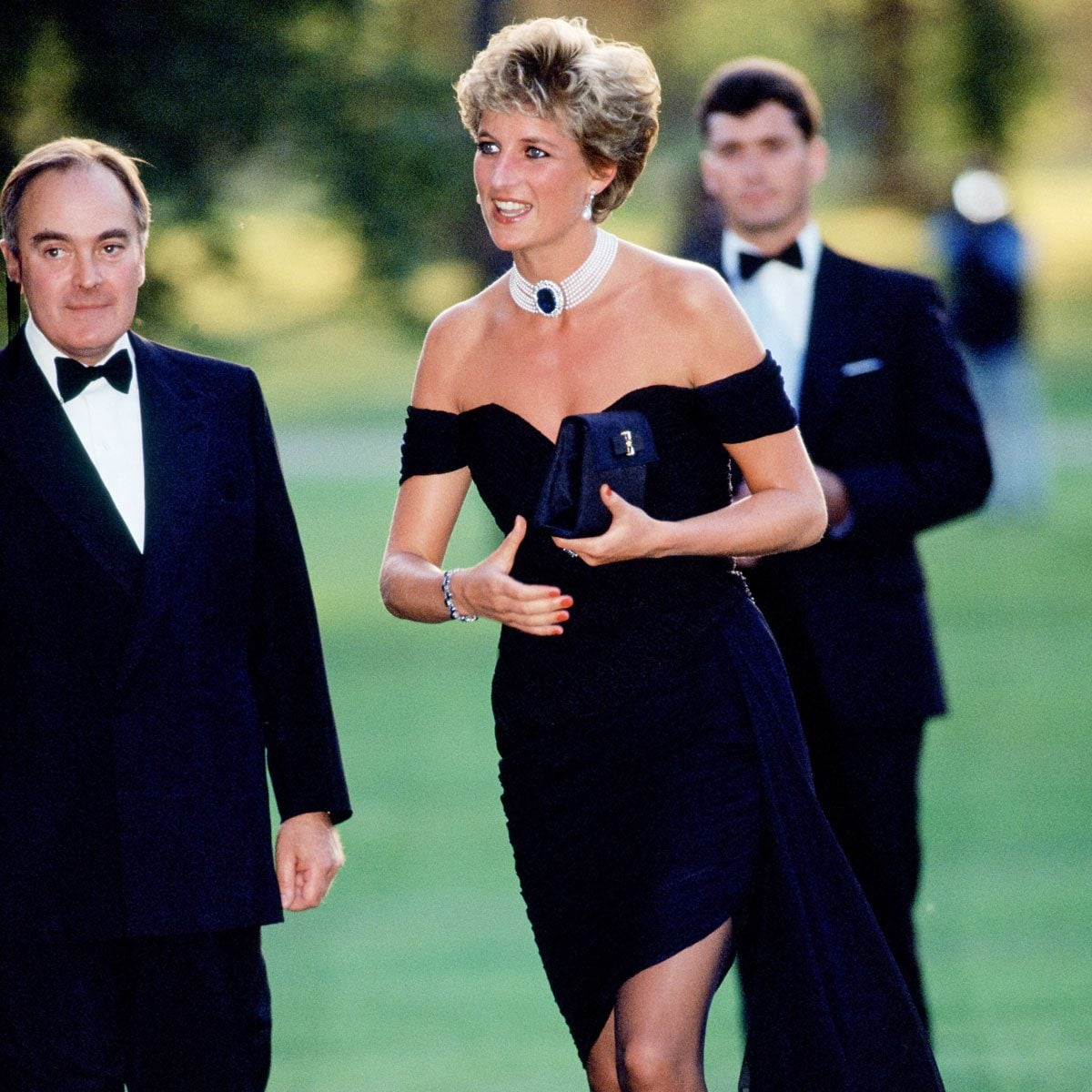
Their clothes became so distinctly associated with who they were that we continue to recognize and recreate them decades later. Princess Diana’s infamous “revenge dress” worn in 1994 is not only an iconic moment in the history of royal fashion More importantly, it tells us a story about Princess Diana’s life, signifying her estrangement from Prince Charles and the royal family. Although this historical moment cannot reoccur, people can still reference this look, or what this look represents, by reimagining a revenge outfit for themselves. This can allow them to gain the same sense of empowerment and self-assuredness exuded by Princess Diana.
The way we dress plays a role in how people perceive us, and unlike many other aspects of our lives, we have control over it. If we focus on our own personal styles and how we want to represent ourselves and less on what is popular or looks good on someone else, we might start leaning in the right direction.
The question we should be asking ourselves when trying to cultivate our own personal style is not whether something looks too trendy or whether someone we admire wore something similar. Instead, we should ask: How can I create a look that’s undeniably my own at a time when everything is so accessible? Perhaps that is why the looks cultivated by women like Princess Diana and Carolyn Bessette-Kennedy are so refreshing. It is not necessarily the individual pieces we are trying to replicate, but the sense that the women wearing them had created something unmistakably their own.
- Why Are We Still Dressing Like Women From 30 Years Ago? - November 2, 2026