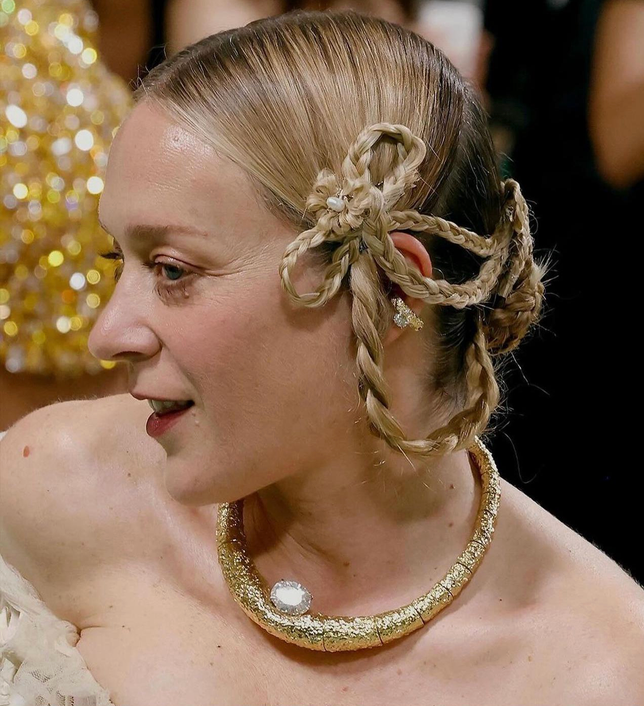
SS26 celebrates craftsmanship, while everyday wearers make its textured details their own
In spring/summer 2026, fashion’s latest obsession was texture — but not the kind churned out by a machine and forgotten by next season. Across runways, designers from Bottega Veneta to Alaïa have embraced fringe, crochet, hand-finishing and fabrics that deliberately look lived- in. While these pieces may sit far outside a college student’s budget, their appeal feels familiar and uniquely individual.
From crinkled linens to raffia weaves to sculptural leatherwork, SS26’s tactile fixation arrives at a moment when fashion is grappling with its own contradictions. Consumers increasingly want sustainability, yet still crave novelty. Designers seem to be responding with clothes that feel deeply human and painstakingly made. For students navigating the same circulating aesthetics, that emphasis on character offers another way to participate in fashion without looking quite like everyone else.
Bottega Veneta’s Creative Director, Louise Trotter, made perhaps the clearest case for artisan labor as fashion currency. The house’s name literally translates to “Venetian artisan workshop,” and Trotter leaned into that identity with a debut rooted in technical mastery of different fabrics and textures. Iridescent jackets and skirts crafted from recycled fiberglass balanced innovation with sustainability, while a fringed nappa leather cape reportedly required 4,000 hours of labor.
“I like that the ‘Bottega’ is a workshop,” Trotter said. “It involves the collective effort of craft.”
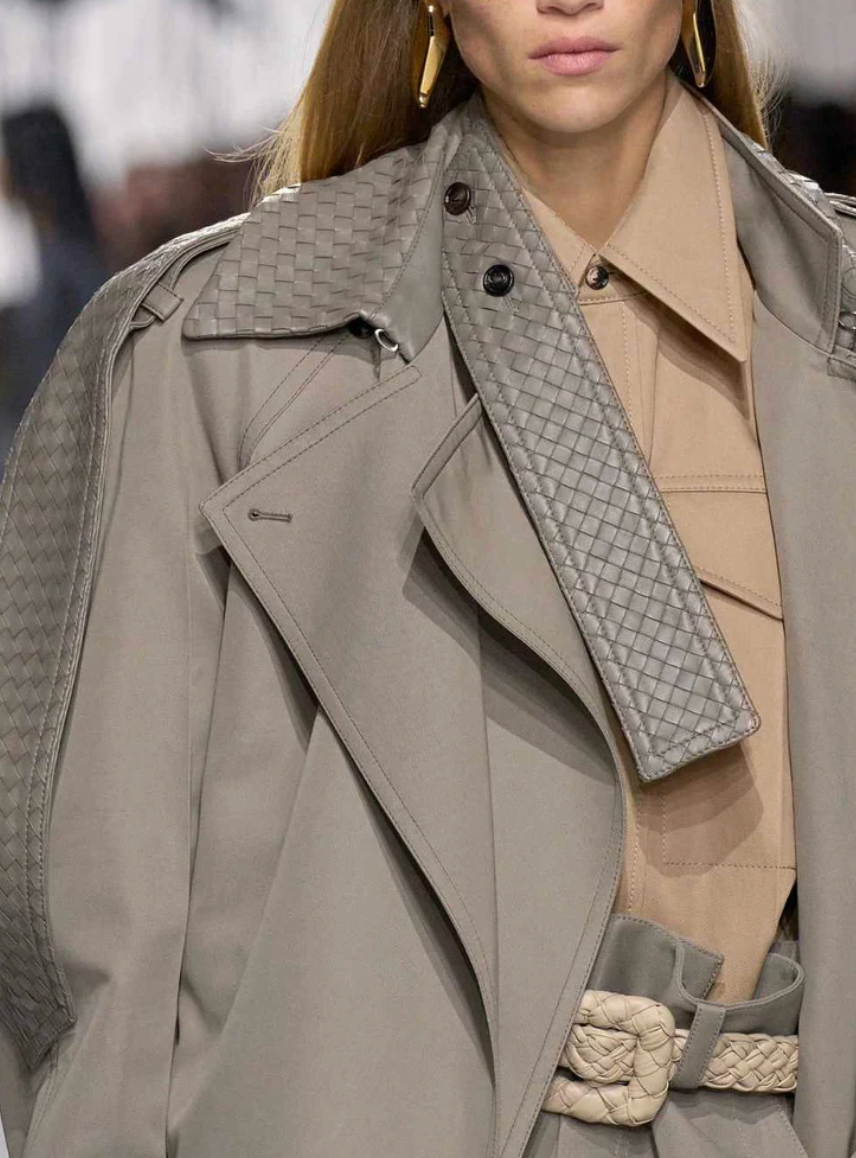
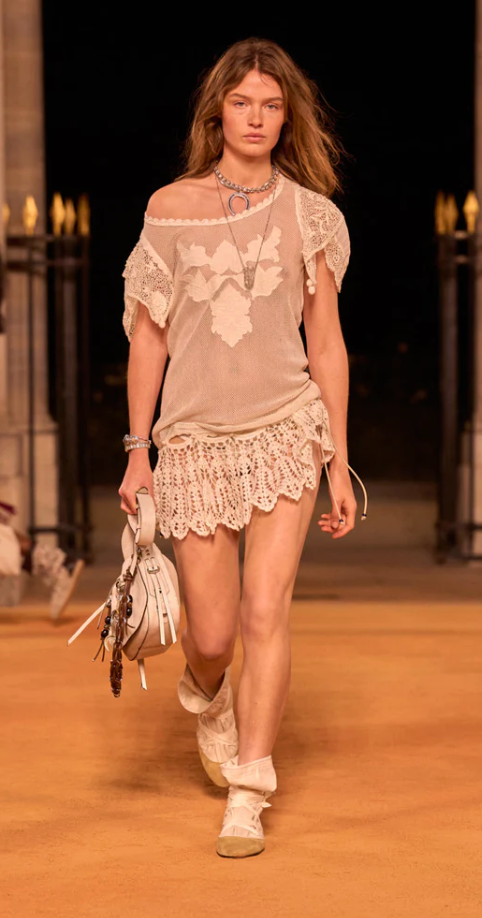
Elsewhere, Alaïa embraced movement through oversized tassels and asymmetrical silhouettes, while Isabel Marant showcased open-weave crochet, hand-worked embroidery and intentionally slubbed, crinkled textiles that looked as though they had passed through many thoughtful hands before reaching the runway. Perhaps the visibility of that process is exactly what makes this trend resonate beyond luxury fashion.
In an era of algorithm-driven aesthetics and fast-fashion consumption, SS26’s artisan textures offer something harder to replicate. Most consumers will never know precisely how many hours went into a hand-finished hem or intricately woven panel, but the attention to detail translates anyway. You can see it in how a garment moves, in the irregularity of a weave and in the quiet confidence of something that does not scream for attention.
Such detail raises the question: does elaborate craftsmanship rule out accessibility for everyday consumers? Spring and summer dressing on campus suggests quite the opposite. Embroidery, crochet, tassels and fringe have already woven themselves into wardrobes, bringing a similar sense of texture and personality to clothes worn to class or out with friends. A crochet top or embroidered skirt cannot always match the labor behind a couture garment, but it can parallel its visual appeal.
What trickles down is the language of the clothing rather than the craftsmanship itself. For a college student, the attraction may be less about owning an exceptional piece than finding details that make an outfit feel distinct. The handmade look offers a small departure from conformity, even when the garment itself is widely available.
Of course, luxury fashion loves selling labor intensive pieces as an aspiration for consumers, and elaborate designer craftsmanship is hardly an affordable trend. Still, the appeal of these details raises an interesting tension. When individuality becomes fashionable, the signs of standing apart can become the very things everyone starts wearing. On the runway, artisan texture makes time and labor visible. On campus, it gives wearers another way to make a look their own.
- From Runway to Campus, Fashion Is Getting Personal - November 13, 2026