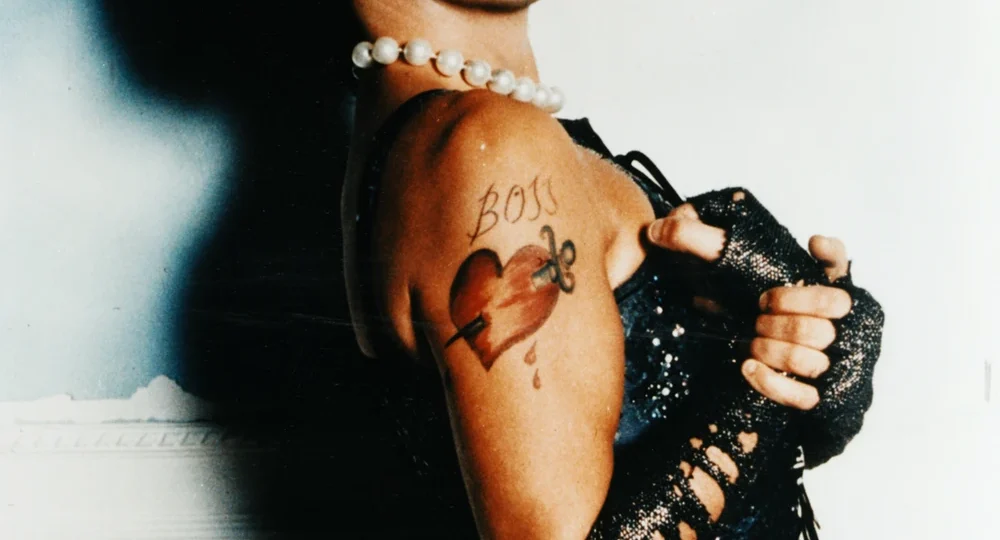
On Aug. 25, English actor and cult icon Tim Curry died at 80 years old in his Toluca Lake home in Los Angeles. While fans worldwide were devastated, his death gave pop culture enthusiasts a chance to look back on a career that left an indelible mark on film, fashion and queer culture.
Director Jim Sharman first introduced the cult classic “The Rocky Horror Picture Show” in 1975. The film’s unique blend of music, comedy, horror and sexual provocation quickly became a cultural phenomenon, drawing a devoted following that extended far beyond the theater.
More than 50 years later, “The Rocky Horror Picture Show” remains a fixture of late-night performances and interactive screenings. What began as an eccentric stage play and film has become a cultural ritual continuing to challenge conventional ideas about self-expression.
At the center of this sensation was Dr. Frank-N-Furter, Curry’s character, whose unapologetic sexuality earned him a place among cinema’s most recognizable and enduring figures of nonconformity.
Frank-N-Furter was Curry’s big break. He first gained recognition for his portrayal of Frank in the original London stage production of “The Rocky Horror Show,” then reprised the role in the musical film.
While Curry had many film and theatrical appearances throughout his career, from his 1968 appearance in “Hair” to “Stream” in 2024, Frank-N-Furter remains his most impactful and recognizable role.
But what made this character so powerful and iconic that he could outshine even Pennywise the Clown from “It” and Wadsworth the Butler from “Clue” was Curry’s ability to “Time Warp” — to connect with individuals of his era.
Despite the common belief that Frank’s corset, fishnets, heels and bold makeup belonged to the drag aesthetic, it was something else entirely. Frank-N-Furter helped establish mainstream genderfluid fashion before the label even existed.
This was achieved through a character design that deliberately mixed traditionally masculine and feminine attributes rather than completely committing to one or the other. In fact, his look still feels contemporary because modern fashion trends have become more fluid.
Curry’s iconic character was one of the first to challenge the idea that masculinity and femininity had to exist as opposites.
Frank stands beside other ‘70s trendsetters, such as David Bowie, Mick Jagger and Iggy Pop, all known for experimenting with gender fluidity long before Harry Styles wore a dress on the cover of “Vogue” in 2020.
Yet, Frank’s divergence from the norm remains more widely recognized than that of many of his musical counterparts, largely because Curry’s performance was immortalized on film, making his image accessible to generations of audiences.
Dr. Frank-N-Furter’s ambiguity extends beyond fashion and, in the song “Sweet Transvestite,” into a larger commentary on how society views sexuality by allowing Frank to blatantly announce it in his direct introduction to the story. Rather than hiding the supposedly transgressive elements of his character or making them subtle, Curry makes them the centerpiece of his entrance.
By placing his character’s sexuality at the center of the film, Curry took what was considered taboo and elevated it into something audiences could openly celebrate.
Furthermore, the character’s introduction and general conduct exist in a comedic context.
This was especially unusual given that even modern mainstream media often treats queer sexuality as either entirely serious or as a joke, while Frank does both simultaneously, subverting stereotypical portrayals of queerness.
Curry did not show audiences what queer life looked like because there is no singular way to live it. Instead, he showed audiences what it could look like to embrace oneself without attempting to conform to what anyone else thinks is normal.
- Tim Curry, Dr. Frank-N-Furter and the Legacy of “Rocky Horror” - November 13, 2026