In pop music, bands are meant to shoot up to the sun, shining brightly before slowly burning out. One member often stays at the top and becomes a breakout star while the rest fall and fade into the background as nostalgic relics.
It is a pattern we have seen before and have almost come to expect. See: Justin Timberlake in *NSYNC. Camila Cabello in Fifth Harmony. Beyoncé in Destiny’s Child.
Maybe there simply is not room for multiple thriving solo careers in such an unforgiving and relentless industry, which focuses its resources on those who fit the “superstar” mold.
That is where One Direction is a rarity.
In 2026, Harry Styles, Niall Horan, Zayn Malik and Louis Tomlinson — the four surviving members of the band — all have committed fan bases, new music and upcoming tours. “There might be one or two people from a band that prosper, but history says there’s not normally more than two,” Tomlinson said in a 2026 Billboard cover story. Since their emergence in 2010 on “The X Factor,” One Direction has contained a collection of individual personas.
Early on, Styles was dubbed the golden boy and leader of the group. It was not hard to miss that teenage girls all over the world had taken a liking to him. He possessed the “it factor” and an unfiltered personality that fans could latch onto — something that was only amplified when he began his solo career, which has since launched him into even greater stardom.
Horan and Malik were complete opposites in their public image. Horan carried an innocent sweetness to him, while Malik played into the mysterious, bad-boy persona. Tomlinson has stated on many occasions that he was the bridge between the band and management, performing an almost parental role. Payne was seen as a mediator, the perfect combination of all the boys’ individual traits.
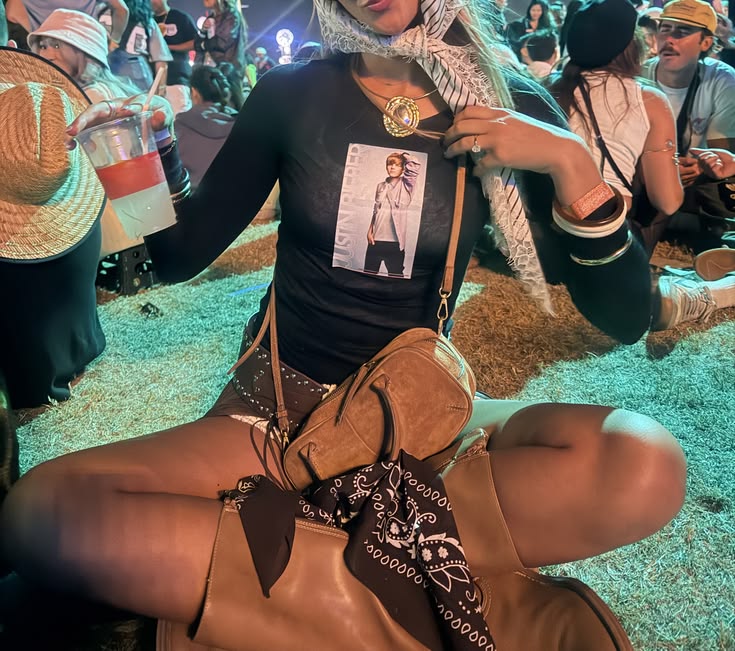
It was no secret that fans had their favorites. They did not connect with each other by asking, “Do you like One Direction?” They asked, “Who is your favorite boy?” One fan once joked she learned their lyrics before she fully learned English. One Direction was more than just a band for young girls. They developed a deeply devoted following, one that often teetered on the edge of being parasocial.
Even after Malik left in 2015 and the band later announced an indefinite hiatus, their public personas did not disappear — they expanded.
When Malik released his first solo single, “Pillowtalk,” in 2016, he received heavy backlash. The song was a complete contradiction to the style of music One Direction was known for. It contained sensual and explicit themes that fans were not used to hearing from the singer.
However, each former member crafted their own unique sound that people could relate to, attracting followers who sometimes did not even realize their new favorite singer was once part of One Direction.
It took time for fans to come to terms with the 2015 split, and they often spewed hate anytime members tried to water the growing seeds of their solo careers.
Over time, Directioners adjusted expectations and gave room for the stars to find their own definitions of success as adults. That definition did not always mean sold-out stadiums and top 100 charts.
In October 2024, Payne suffered a fatal fall from a hotel room balcony. His death seemed to be what glued the rest of the bandmates back together — and ultimately, the fans. Directioners were uniting in ways they had not in a decade.
Styles, who has avoided the public eye in recent years, will debut his new album, “Kiss All the Time, Disco Occasionally,” on March 6. Styles has cultivated by far the biggest solo career, cementing himself as a household name.
Tomlinson’s album, “How Did I Get Here?” was released Jan. 23. The title reflects how even the bandmates themselves question their ever-rising fame. Featured in the album is a song titled “Dark to Light,” which is heavily speculated by fans to be a tribute to Payne.
Malik has begun touring and announced a residency in Las Vegas, and Horan recently teased his fourth solo album release to People Magazine.
The shift is unfolding in real time. History says this shouldn’t work, yet One Direction has always existed slightly outside the pop rulebook. They have never let their group identity overwhelm their status as individuals. Their longevity showcases a shift in how pop culture treats older male artists. Where bands once had expiration dates, today’s audiences are more interested in seeing artists evolve beyond their early, sanitized images. Their simultaneous releases of new music serve as a reminder that these artists, while heading in different directions, started in the same place and are all reaching for stardom.
- In Defense of the Varsity Theater - April 29, 2026
- The Breakout Star Outlier: One Direction - March 5, 2026