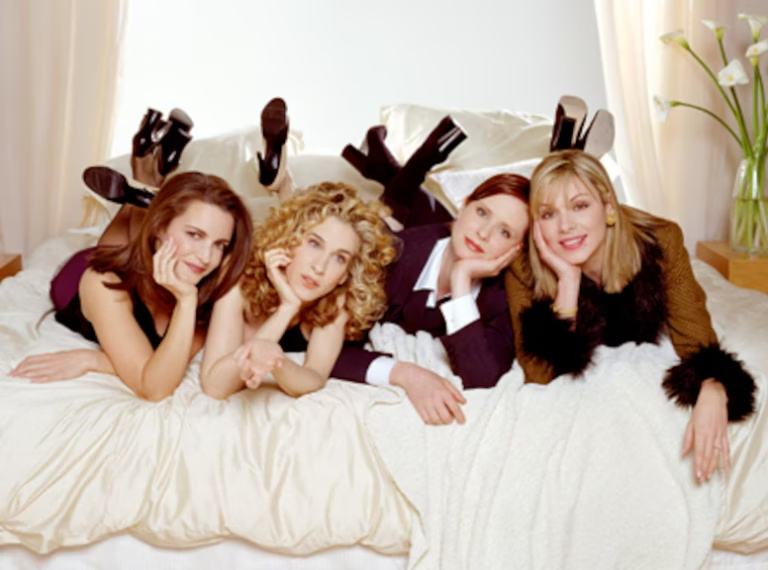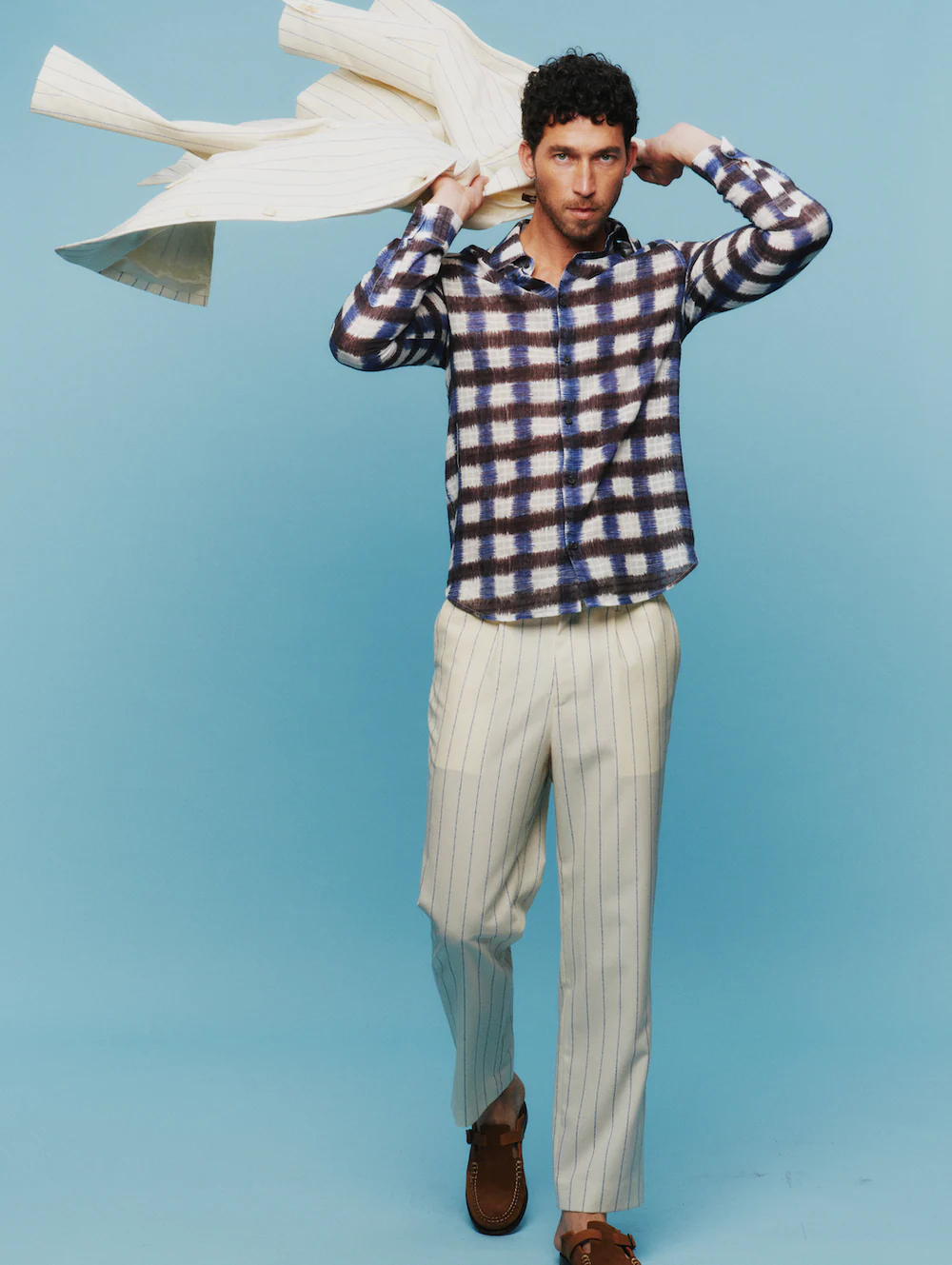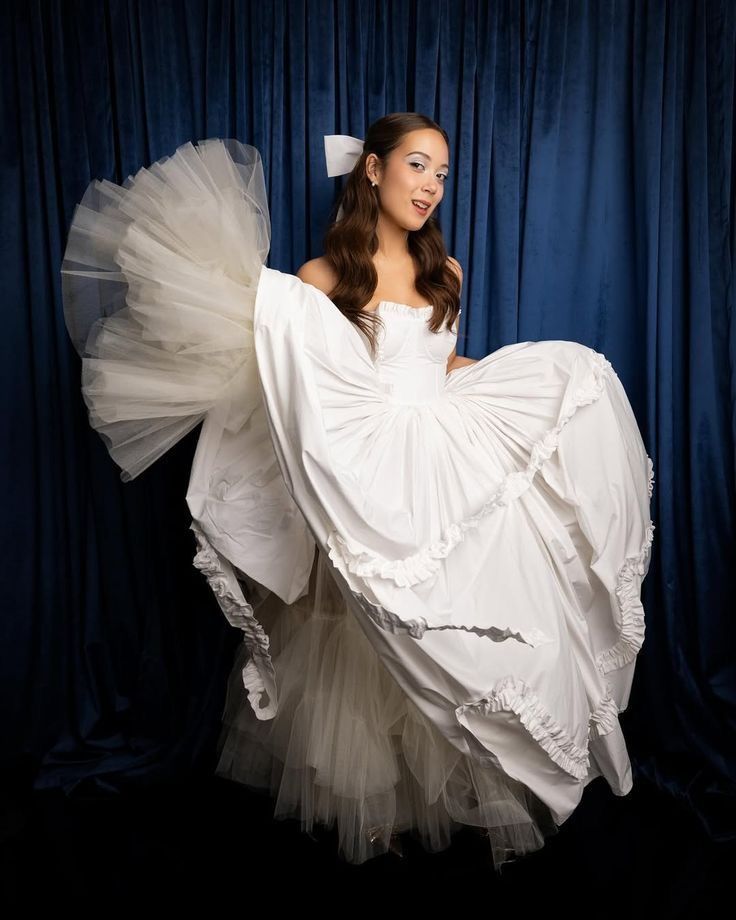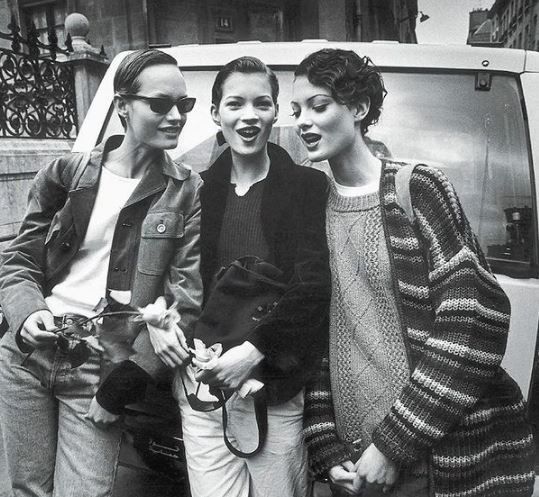
The 1990s were defined by the idea that “less is more.” Clean lines, neutral colors and simple silhouettes dominated, shaping a minimalistic aesthetic that became widely embraced. Brands such as Calvin Klein, Ralph Lauren, Tommy Hilfiger and Gap rose to center stage, becoming staples in everyday wardrobes.
The appeal of these designers lies in their simplicity. Their pieces were versatile and accessible, resonating across settings—from office wear to red-carpet appearances. The focus remained on structure and restraint, creating looks that felt both polished and effortless.
Slip dresses emerged as everyday essentials, alongside tailored pants and streamlined tops. Many outfits were considered timeless for their understated, put-together quality.
This marked a clear departure from the boldness of the 1980s, when bright colors, voluminous hair and statement-making styles dominated. In contrast, the ’90s reframed effortlessness as aspirational. Fashion shifted toward a more modern, pared-down sensibility, where quality and construction became key differentiators. This emphasis helped solidify brands like Calvin Klein and Ralph Lauren as industry leaders.
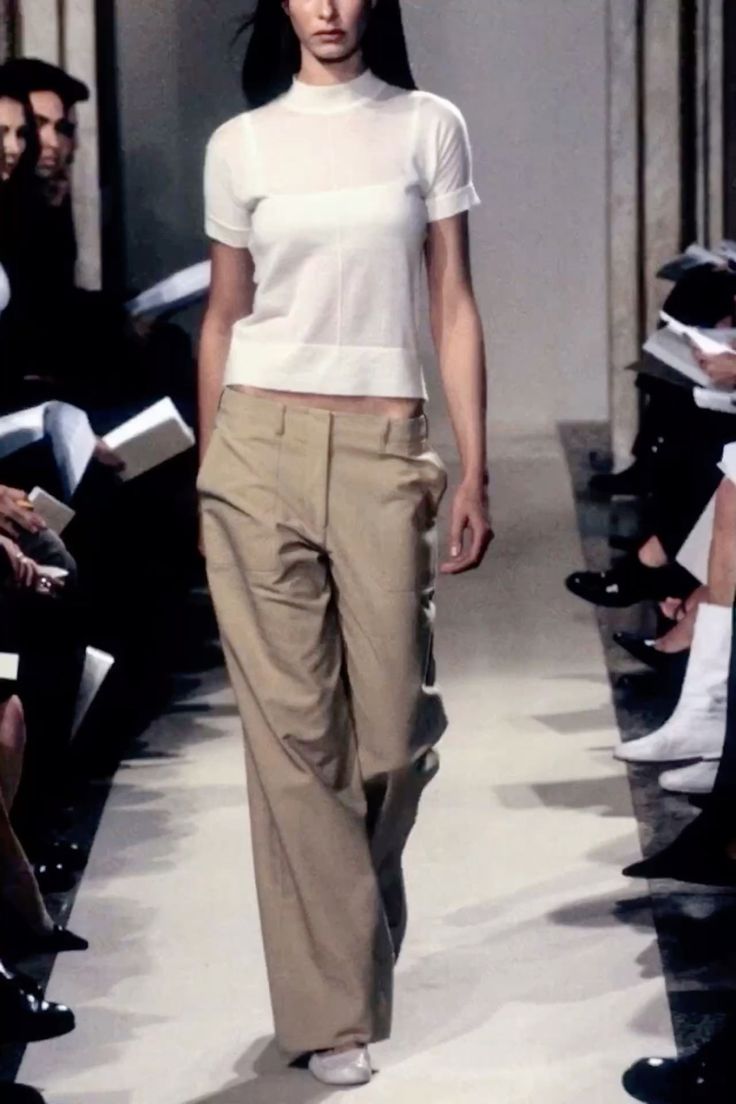
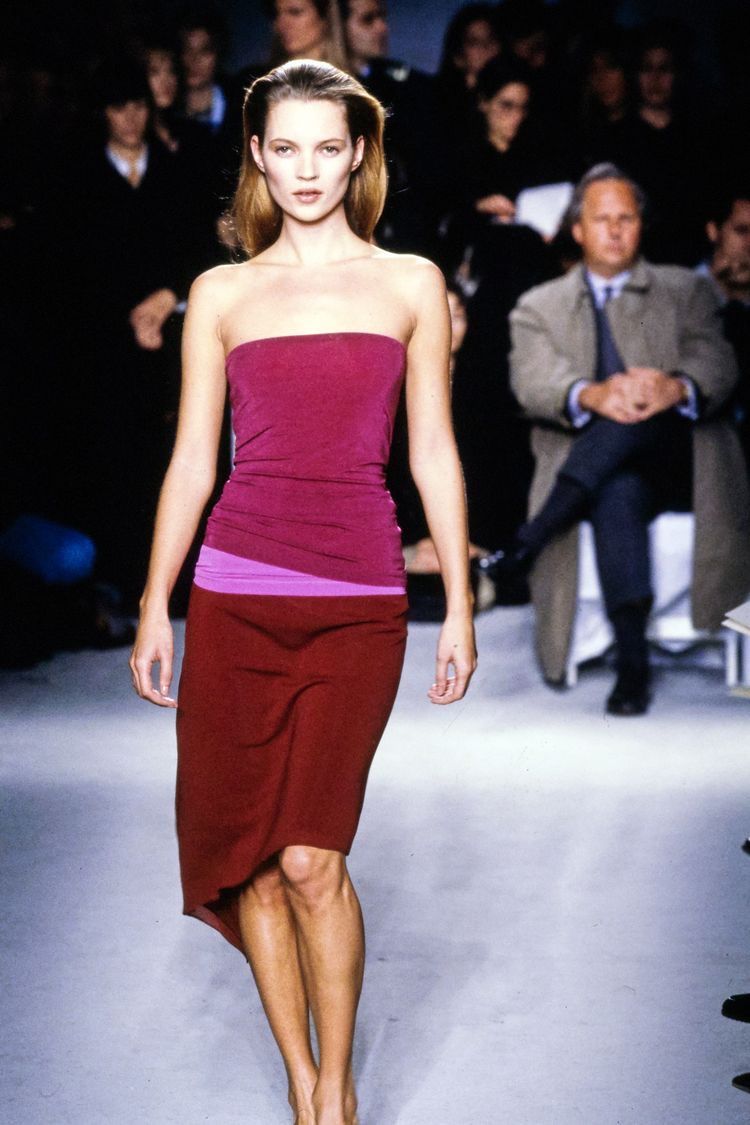
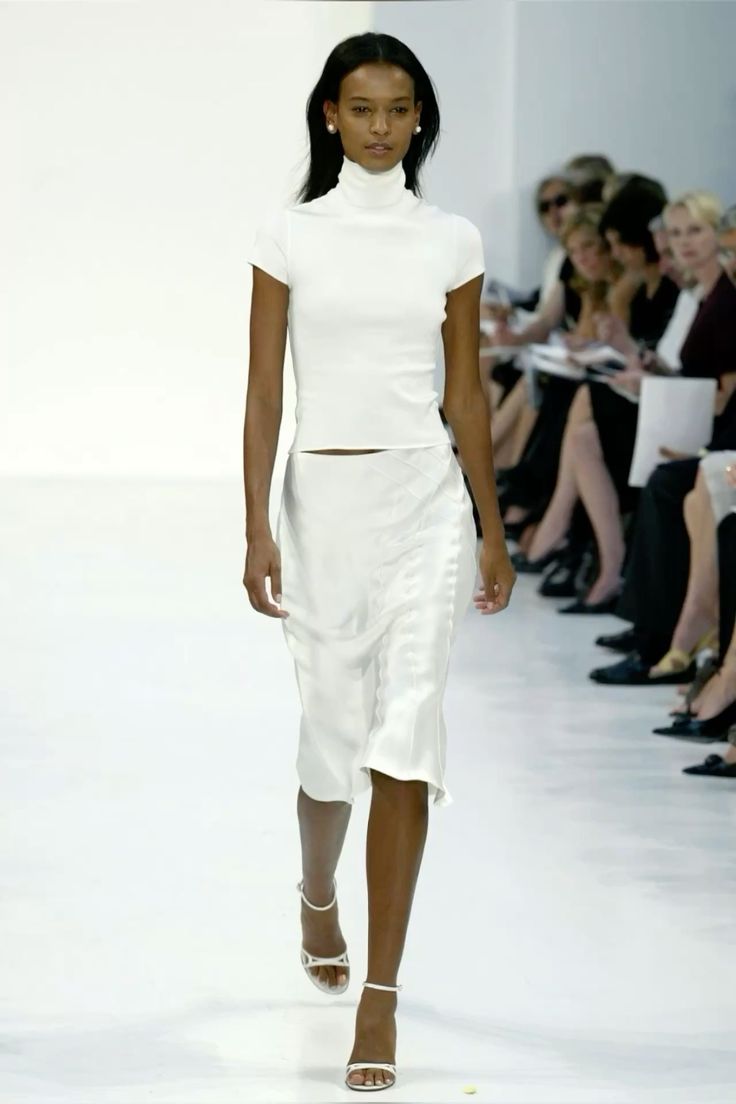
This era also laid the groundwork for what is now often called “quiet luxury.” Designer labels were still present, but branding was subtle. In some cases, logos were intentionally removed to maintain a sense of understatement. Carolyn Bessette Kennedy, for example, became known for her refined, logo-free style.
Cultural figures such as Kate Moss and Winona Ryder — along with the character Rachel Green from “Friends” — helped define the decade’s aesthetic. Their reliance on classic, versatile pieces contributed to their lasting influence.
Beauty trends followed a similar philosophy. Makeup emphasized a natural, radiant look, often with a single focal point — whether a bold red lip or a smoky eye. Hair remained simple and unfussy, from sleek buns and ponytails to soft blowouts. The overall effect was intentional yet understated, with an emphasis on looking effortless rather than overdone.
Clothing functioned more as a backdrop than a statement. Confidence, rather than excess, defined style. The focus was not just on what was worn, but how it was worn.
Today’s fashion landscape reflects a renewed interest in ’90s minimalism. The resurgence of “quiet luxury” shows a continued preference for timeless, well-made pieces and intentional styling. More than a passing trend, the minimalist movement of the 1990s marked a broader cultural shift — one that continues to shape how style is understood today.
- The Resurgence of 90s Minimalism - May 7, 2026