With just ink and a needle, tattoos unite the abstract world of visual art with the physical body. Tattoos are beautiful, vulnerable and permanent. Yet sometimes, even more interesting than the tattoos themselves are the aesthetic and emotional impact associated with having them. To investigate the decision-making behind this unique art form, I interviewed three UNC-Chapel Hill students: Sadhana Mayil, Violet McLamb and Ada Green. Through our conversations, they each explain why they have tattoos and what that process means — or does not mean — to them.
Mayil describes a sense of cultural and familial connection through getting tattoos. “It has cultural significance … they used to use herbs in India and do it, [and] do dances and do it for strength,” Mayil said. Consistent with these feelings, she notes her favorite tattoo is the one she got for her grandparents; etched onto her left arm is their nickname for her, in her grandmother’s handwriting. With tattoos rooted in identity and ancestry, Mayil feels safe in their permanence saying, “I just feel like it’s more a part of me that it’s connected to me.”
Beyond the connection to loved ones, having tattoos can strengthen the connection to self. For McLamb, getting tattoos played a vital role during her transition. “I think … in the process of transitioning, there’s an aspect of wanting to take control over my body again and have autonomy and like, do what I want with my physical self. Whether that’s styling myself or how I portray myself externally,” she said. “It’s a way for me to … take control of my own body and have autonomy over myself.”
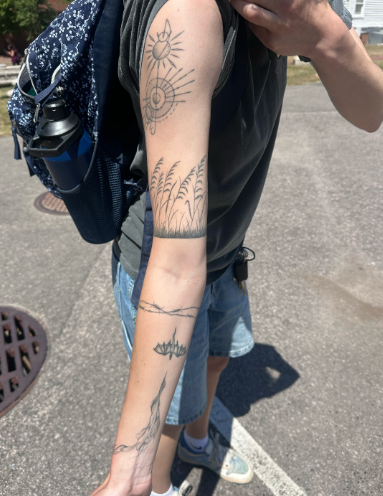
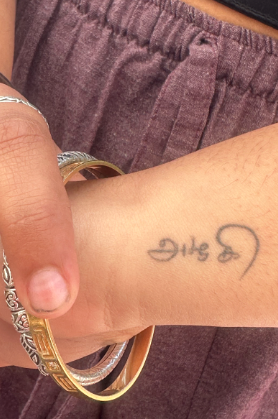
Adorned with both calculated and impulsive tattoos, McLamb finds herself to be a canvas for the art. “The process of getting a tattoo is fun … getting someone’s art on your body is so cool,” she said. In pure enjoyment of the art form, she describes getting a random tattoo during a flash sale, based on a Pinterest post she liked. Beyond the emotional connection she is able to strengthen within herself, McLamb’s tattoos are a visual representation of her love for art.
With a similar mindset towards the artistry, Green advocates strongly for tattooing for the sake of tattooing. Noticing the common anxiety over tattoos’ meaning and permanence, Green thinks, “… well, what if I just wanted to get a tattoo because I just liked how it looked and not have to worry about any meaning?” She explains that, “if the meaning changes and you have that on your body,” it can become a permanent regret. Several tattoos decorate her right arm, all of which “have just mostly been based on vibe.” Similar to McLamb, Green demonstrates a pure appreciation for the art form itself and experiences genuine enjoyment from the aesthetic appeal.
Tattoos, whether meaningful or meaningless, express our individual identities and mindsets. They call to attention our relationship with others, ourselves and art — all while looking pretty. Whether you have tattoo regrets or tattoo aspirations, Mayil, McLamb and Green’s perspectives emphasize that what truly matters in the decision is you.
- Why Do We Get Tattoos? - May 8, 2026