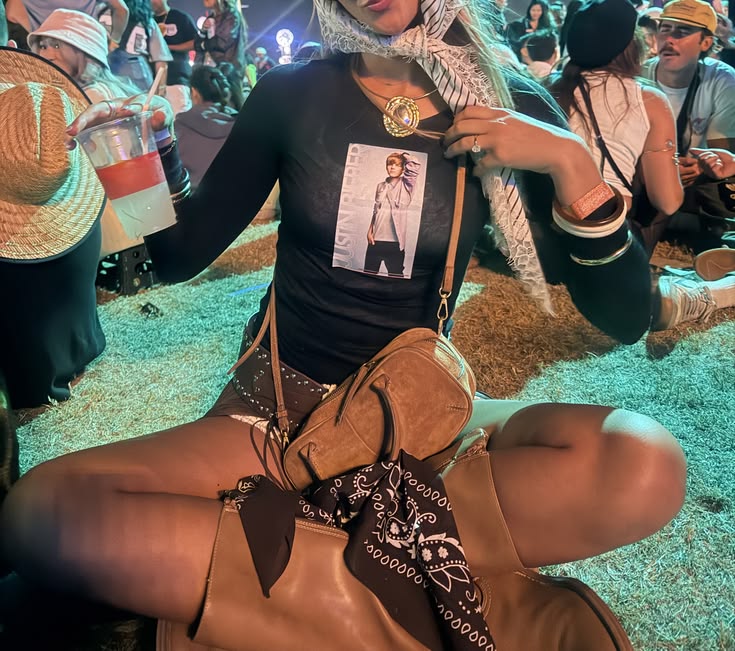
Spring break has come to a close, and it seems like everyone you know is posting on Instagram. The one similarity you will find in every photo dump, from your high school ex-best friend’s post to your situationship’s, is the candid photo.
Nothing compares to that one photo where the light sculpts your face, and the wind moves at a tempo strong enough to enliven your hair without making you look unkempt. Your eyes are large and sparkling, gazing in a direction other than the camera. Lashes luscious but no visible mascara, minimal skin texture, and a natural pose.
How did we get here?
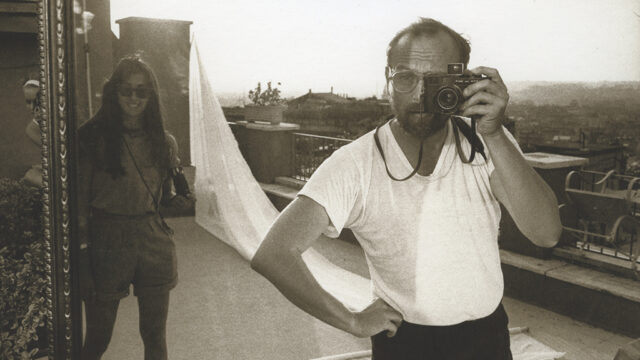
Fashion photographer Arthur Elgort liberated fashion photography and helped define the candid style we strive to capture today. Elgort, born in New York City in 1940, has always admired dancers. Ballerinas in pale pink pointed shoes, tip-toeing across the glossy floor, inspired Elgort’s love of natural movement. He first photographed dancers and eventually stepped into the fashion world. Unlike other photographers in the ‘70s and ‘80s, Elgort had zero interest in the studio. He had no care for artificial lighting or the still, posed image that dominated fashion magazines in decades prior.
He took models to the streets. They moved, and he followed. It was unchoreographed, fast-paced and free. After working for several small magazines, he made his debut in British Vogue in 1971 and quickly caught people’s attention—most notably the eye of Condè Nast’s iconic editorial director at the time, Alex Liberman. Liberman wasted no time with Elgort, promptly recruiting him for American Vogue.
In no time, almost everyone in fashion knew Elgort’s name. In the ‘70s and early ‘80s, he began working closely with legends such as Grace Coddington. By the supermodel era of the late ‘80s and ‘90s, he was working with some of the most elite faces: Kate Moss, Christy Turlington and Linda Evangelista. Those he worked with praised and loved him because he made fashion real. Models were no longer flawless mannequins dressed in fancy, lifeless clothes, but real people putting real clothes to the test. He reminded fashion that it is okay for Manolo Blahniks to clack and skid on scratchy city streets; their soles can scuff. Christian Dior wool coats do not belong in a white box studio. Their colorful glass buttons should pick up specks of dust from Central Park. The handles of suede Gucci Jackie bags should fray in the soft hands of supermodels just as they will in the buyer’s. This is how fashion is really worn.
Elgort’s career skyrocketed over the next several decades. His work influenced fashion significantly, from Vogue photo shoots at 18th-century temples in Nepal to luxury brand advertisements. But his relaxed, in-motion style never changed, and it remained timeless. In an interview with The Cut, Elgort said that “there are different models, but if you look at the book, you can’t tell what’s ‘90s or ‘70s or ‘80s.”
Decades later, his impact still stands. On platforms like Instagram, a perfect candid is worth making your friend take and airdrop 398 photos to you. People gravitate toward images that feel unstaged, effortless and authentic. Instagram, like a magazine, is inherently inauthentic; we are trying to sell an image and lifestyle. We share pictures of ourselves knowing they will be viewed. We design, stage and edit them to control how we are perceived. The candid photo’s appeal lies in its rejection of this ideology. It screams, “I just happened to get this perfect, moving image of myself, and I thought I would share it.” It is casual, unlike a posed and planned-out picture of you smizing at the camera.
Thank Elgort the next time you come across a good candid.
- Arthur Elgort: The King of Fashion’s ‘Candid Photo’ - May 8, 2026