On Feb. 2, Whitney Leavitt from “The Secret Lives of Mormon Wives” stepped out in fishnets and fringe to make her Broadway debut as Roxie Hart in “Chicago.” Leavitt’s Broadway era is a sign of the times, where pop culture has infiltrated the mystique of the theater.
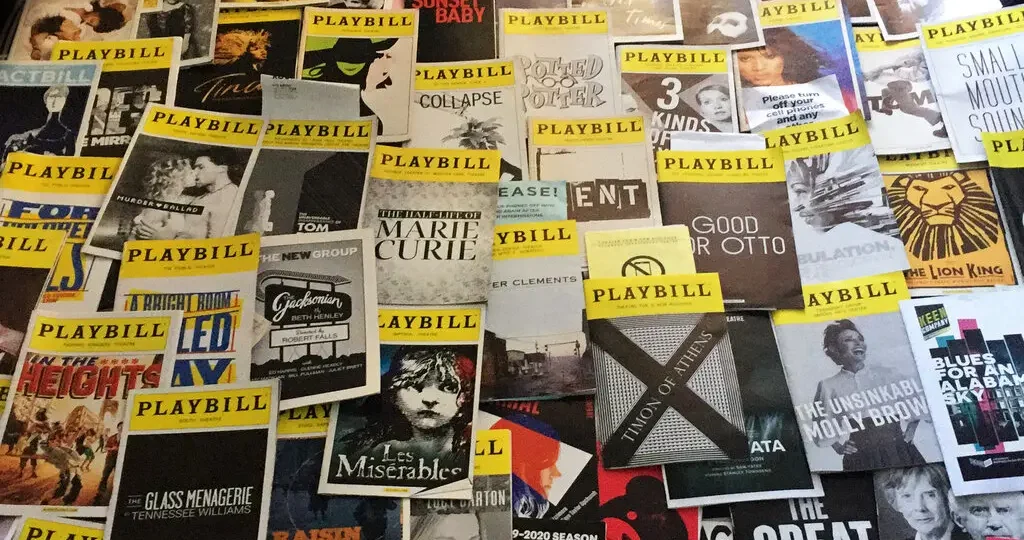
On any given night in New York City, you can find a dazzling billboard and lit-up marquee on an otherwise tucked-in street. Back in Broadway’s mid-century heyday, you could pick up a ticket right at the venue without knowing who or what awaited you inside.
In recent years, a surge of pop musicians, screen actors and reality television personalities have made their way to Broadway. TikTok star Charli D’Amelio joined the ensemble of “& Juliet” from 2024 to 2025. Lola Tung, lead actor from the hit show “The Summer I Turned Pretty,” played Eurydice in a recent production of “Hadestown.” The list goes on: Dylan Mulvaney starred as Anne Boleyn in “SIX: The Musical”, Kit Connor and Rachel Zegler played the titular lovers in “Romeo + Juliet,” and even Ariana Grande starred in the 2024 film adaptation of “Wicked,” helping reinject the energy of theater into pop culture mainstream.
There is a sense of assumed unfairness when established Hollywood and social media starlets resolve to conquer Broadway next. The screen actor influx is not limited to Gen Z performers, as A-listers like George Clooney, Robert Downey Jr. and Denzel Washington have also migrated to Broadway. When recognizable figures join productions, they often bring audiences who might have never considered buying a ticket otherwise. In this way, celebrity casting can feel like a branding decision rather than a meritocratic choice.
Performing on Broadway traditionally signals a surpassed level of mastery in vocal performance and acting; however, audiences find much to critique when a celebrity meets the theater. When North West made her debut as young Simba in “The Lion King” at the Hollywood Bowl, fans were outraged by her lackluster vocals and argued that more deserving young actors should have had her spot. Similar discourse accompanied Tung’s casting in “Hadestown.”
Sometimes, these grievances are less about a star’s talent, or lack thereof, than about a distaste for their particular public persona. Perhaps we cherry-pick their wrongdoings because we like to criticize those who are already wealthy, established household names, rather than an underdog artist.
But, in my book, star status before Broadway does not automatically subtract from the theatrical experience.
I mean, who truly deserves to be on Broadway?
Ultimately, the rules of performance and live entertainment are being rewritten. As popular culture becomes more knitted into the new media ecosystem, seemingly timeless genres like Broadway must adapt accordingly before they become obsolete. The priority should be engaging younger theatergoers while giving actors of all backgrounds — including celebrities — the freedom to experiment within a form that demands elevated artistry and offering digital natives a meaningful, in-person creative community.
There is a whole slate of Gen Z stars bringing fresh faces and voices to Broadway. Mulvaney, a TikTok influencer, is making headway for more trans artists on Broadway. Singer-songwriter Lizzy McAlpine’s whimsical indie folk is bringing new life to “Floyd Collins,” a tale about an American cave explorer in 1925. Sam Gold’s production of “Romeo + Juliet” reimagines Shakespeare for a contemporary audience with a Jack Antonoff score and gritty, club-like world-building.
The theater, one of the world’s oldest art forms, is not something that a few ambitious TikTokers can spoil. Criticism and controversy will only bring more people to watch, and since digital culture is not going away for the foreseeable future, Broadway may as well embrace it.
- Saint Heron: Solange’s digital sanctuary for Black writers - April 23, 2026
- From TikTok to Times Square: Broadway’s changing faces - March 10, 2026
- The world at your fingertips: Gen Z is going analog in 2026 - February 12, 2026